Why Heavy Rain Threatens Crawlspaces in Huntsville
Huntsville experiences intense rain events throughout spring and early summer, often delivering several inches of rainfall in a matter of hours. When this happens, the water table rises quickly, and surface runoff seeks the path of least resistance. For many homes, that path leads directly into the crawlspace.
The soil composition in Madison County creates additional challenges. Clay-heavy ground doesn’t absorb water efficiently, causing pooling around foundations and increased hydrostatic pressure against crawlspace walls. This combination of rapid rainfall and poor drainage creates the perfect conditions for flooding.
Many homeowners don’t realize their crawlspace is vulnerable until standing water appears. By that point, damage has already begun. Wood absorbs moisture, mold spores activate, and structural components start to weaken. What starts as a few inches of water can lead to thousands of dollars in repairs if left unaddressed.
The Hidden Damage Caused by Crawlspace Flooding
Flooded crawlspaces create a cascade of problems that extend far beyond the immediate water intrusion. The most urgent concern is structural integrity. When floor joists and support beams absorb moisture, they lose their load-bearing capacity. Homeowners may notice sagging floors, bouncy areas when walking, or doors that suddenly won’t close properly.
Mold growth accelerates in wet, dark environments. Within 24 to 48 hours of flooding, mold colonies begin forming on wood surfaces, insulation, and any organic material present. These spores circulate through your HVAC system, affecting indoor air quality throughout the entire home. Residents may experience increased allergies, respiratory issues, or persistent musty odors.
Pest infestations also follow water intrusion. Termites thrive in moist wood, and standing water attracts mosquitoes, spiders, and rodents looking for habitat. What begins as a water problem quickly transforms into a multi-faceted issue requiring different types of remediation.
The financial impact compounds over time. Early intervention might require only drainage improvements and dehumidification. Delayed response often necessitates joist replacement, mold remediation, insulation removal, and subfloor repair. These emergency situations could have been prevented with proactive measures.
Warning Signs Your Crawlspace Needs Attention
Recognizing early warning signs allows homeowners to address crawlspace moisture before it becomes an emergency. One of the first indicators is humidity inside the home, particularly during or after rain events. If your air feels damp or your air conditioning seems to run constantly without effectively cooling, moisture from below may be infiltrating your living space.
Musty odors represent another red flag. This smell indicates active mold growth or decomposing organic material. Because approximately 50% of the air in your home originates from the crawlspace, these odors quickly migrate upward through floor penetrations and HVAC returns.
Visual cues include condensation on windows, peeling paint or wallpaper on interior walls, and water stains on baseboards. Outside the home, watch for gutters that overflow during rain, downspouts that discharge too close to the foundation, or soil that slopes toward the house rather than away from it.
Structural symptoms provide definitive evidence of moisture problems. Floors that feel soft or springy when you walk indicate compromised joists below. Gaps appearing between walls and ceilings, cracks in drywall, or doors and windows that stick suggest foundation movement or wood deterioration caused by prolonged moisture exposure.
Prevention Strategies That Actually Work
Effective crawlspace protection requires a multi-layered approach that addresses water at every potential entry point. The first line of defense starts at the roof. Gutters must remain clear of debris and properly pitched to move water toward downspouts. Those downspouts should discharge at least six feet from the foundation, using extensions or underground drainage pipes to direct water away from the home.
Grading around the foundation plays a critical role. Soil should slope away from the house at a minimum grade of 6 inches over the first 10 feet. This simple adjustment prevents surface water from pooling against crawlspace walls. In areas where natural grading isn’t sufficient, French drains or yard drainage systems collect and redirect water before it reaches the foundation.
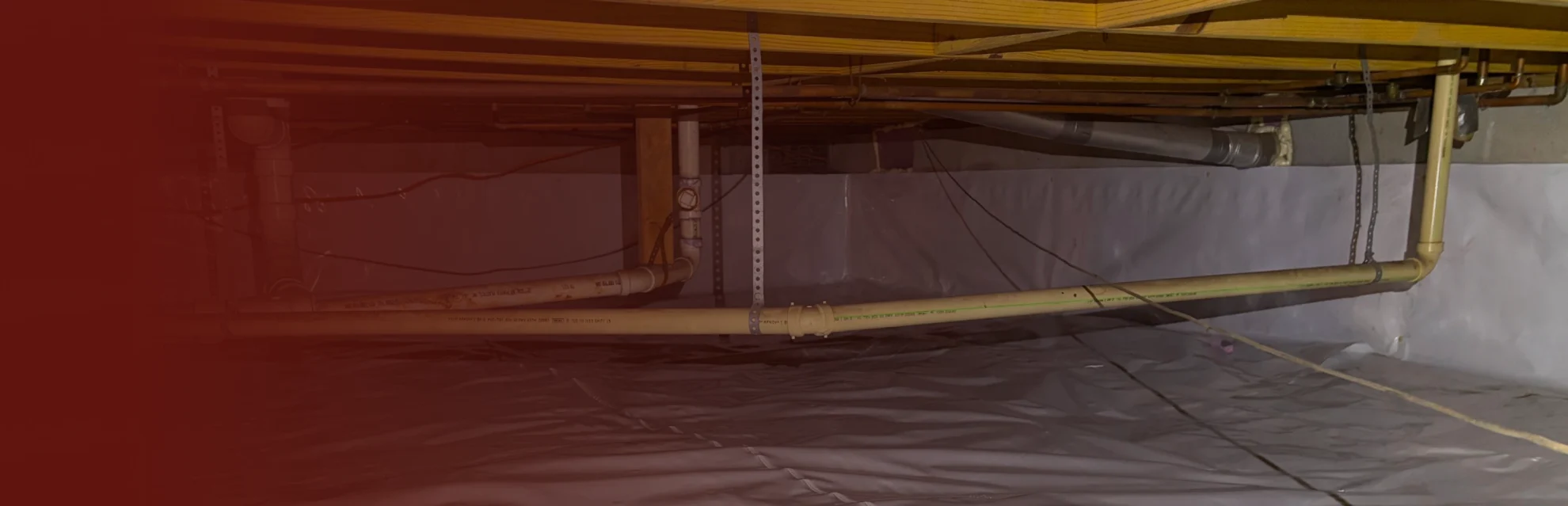
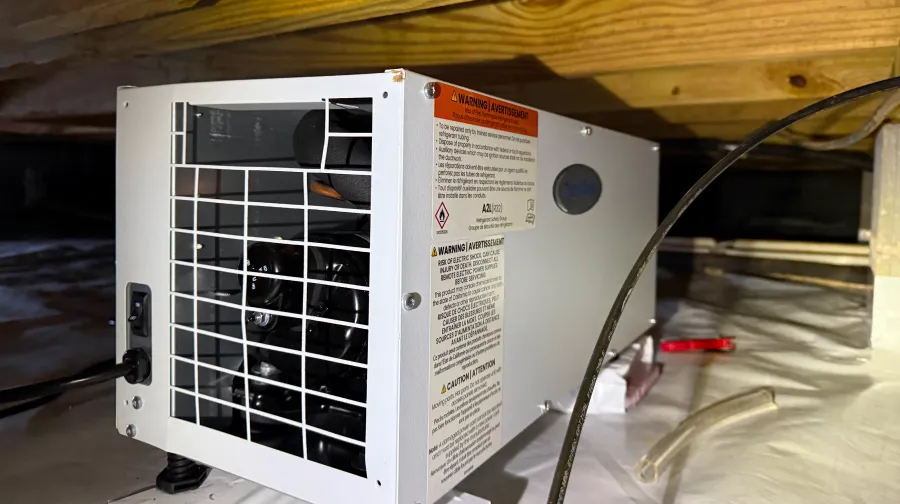
Interior solutions provide the final barrier against moisture intrusion. Crawlspace encapsulation creates a sealed environment using heavy-duty vapor barriers on floors and walls. This system prevents ground moisture from evaporating into the space while also blocking water that seeps through foundation walls. When combined with a dehumidifier, encapsulation maintains consistent humidity levels regardless of external conditions.
Sump pump installation offers active protection during heavy rain events. These systems automatically remove water that enters the crawlspace, preventing accumulation and the damage that follows. Battery backup systems ensure protection continues even during power outages that often accompany severe storms in Huntsville, AL.
How Professional Services Protect Your Investment
Professional waterproofing services deliver solutions that DIY approaches cannot match. Specialists conduct thorough inspections to identify all moisture sources, including subtle issues like foundation cracks, plumbing leaks, or inadequate ventilation. This diagnostic precision ensures that remediation addresses root causes rather than just symptoms.
Experienced technicians understand how different solutions work together as a system. For example, installing a vapor barrier without addressing exterior drainage may provide temporary improvement but won’t solve the underlying problem. Similarly, adding a dehumidifier to a space with active water intrusion simply masks the issue without preventing ongoing damage.
Material quality and installation technique separate professional work from amateur attempts. Commercial-grade vapor barriers resist punctures and tears that compromise cheaper alternatives. Proper sealing at seams, corners, and penetrations prevents moisture bypass. Sump pumps sized correctly for the space and discharge volume ensure reliable operation when needed most.
Vanguard Crawl Space & Waterproofing brings specialized knowledge of local conditions in Huntsville, AL to every project. Our team has witnessed firsthand how seasonal rain patterns affect crawlspaces throughout Madison County, and we design solutions specifically engineered for these challenges. From free inspections that identify vulnerabilities before flooding occurs to complete waterproofing systems that provide long-term protection, we help homeowners avoid the emergency calls that follow preventable water damage. Priority scheduling ensures that when storms threaten, your home receives the protection it needs before problems develop.
The investment in professional waterproofing services costs significantly less than emergency repairs after flooding. Structural damage, mold remediation, and content replacement can easily exceed $10,000 to $20,000. Prevention through proper drainage, encapsulation, and moisture control typically represents a fraction of these emergency costs while protecting home value and living conditions for years to come.